Compy
A safety app for tourists in Rio de Janeiro, built in a week at MIT's Innovation Bootcamp. The story starts four weeks earlier, with a tuition bill I had no way to pay.
The bootcamp I almost didn't go to
After The Bridge program in Boston with ParkHere, I came back to PUC Chile and started teaching as a TA in the Research, Innovation and Entrepreneurship course. Mentoring teams turned out to be one of those things I didn't know I'd love until I was doing it. I started reading everything I could about innovation methodologies, especially the question of how to teach it.
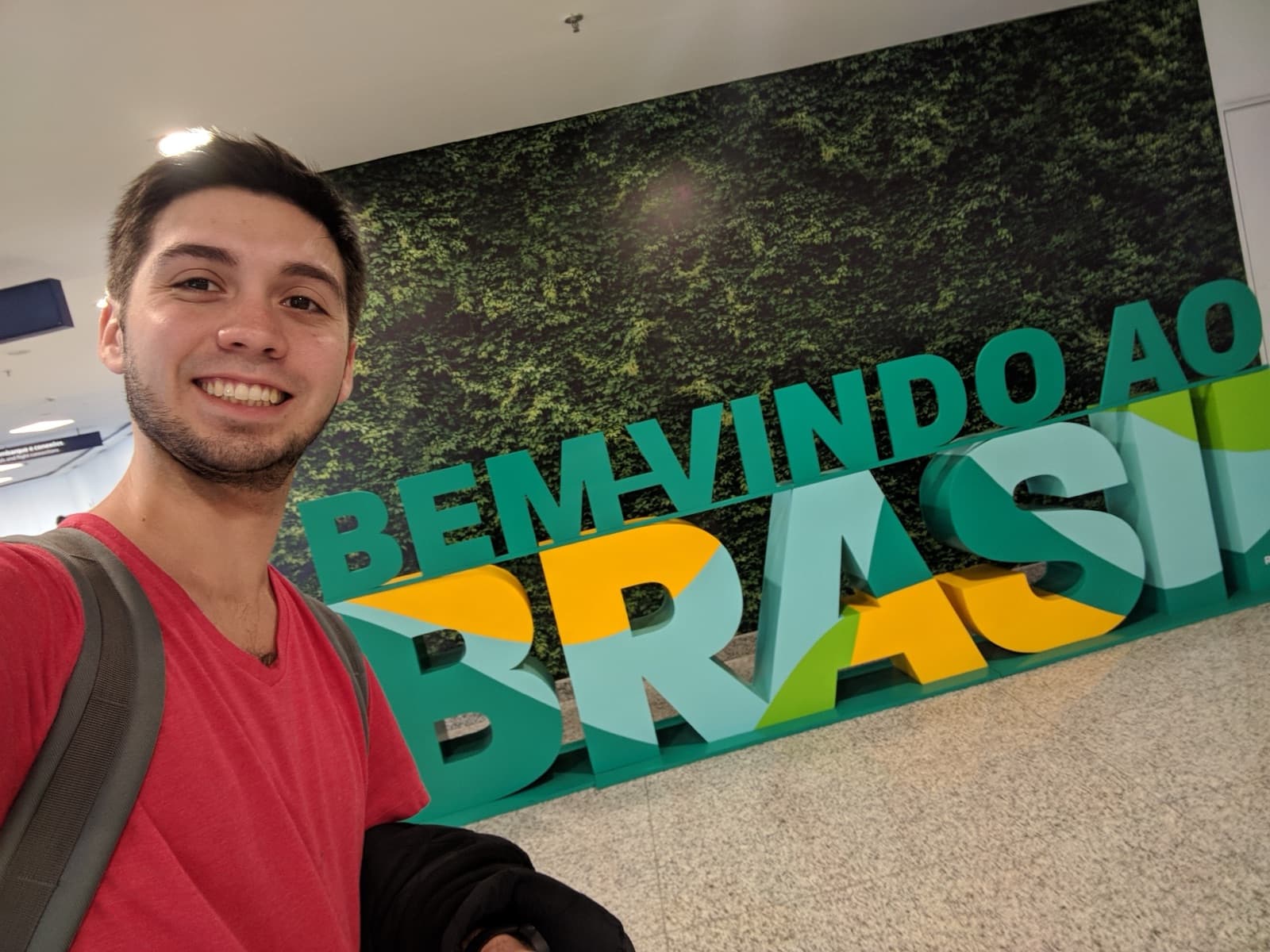
That's how I found out about the MIT Innovation & Entrepreneurship Bootcamp. I followed it for months, until I saw they were running an edition in Rio de Janeiro on dates that lined up with my vacation, close enough to fly to from Santiago.
I applied. I got in. The acceptance email came with a $6,000 USD tuition bill and a deadline one month away.
How I raised six thousand dollars in four weeks
I watched everything I could find on YouTube from past bootcampers who'd raised their tuition, then started building.
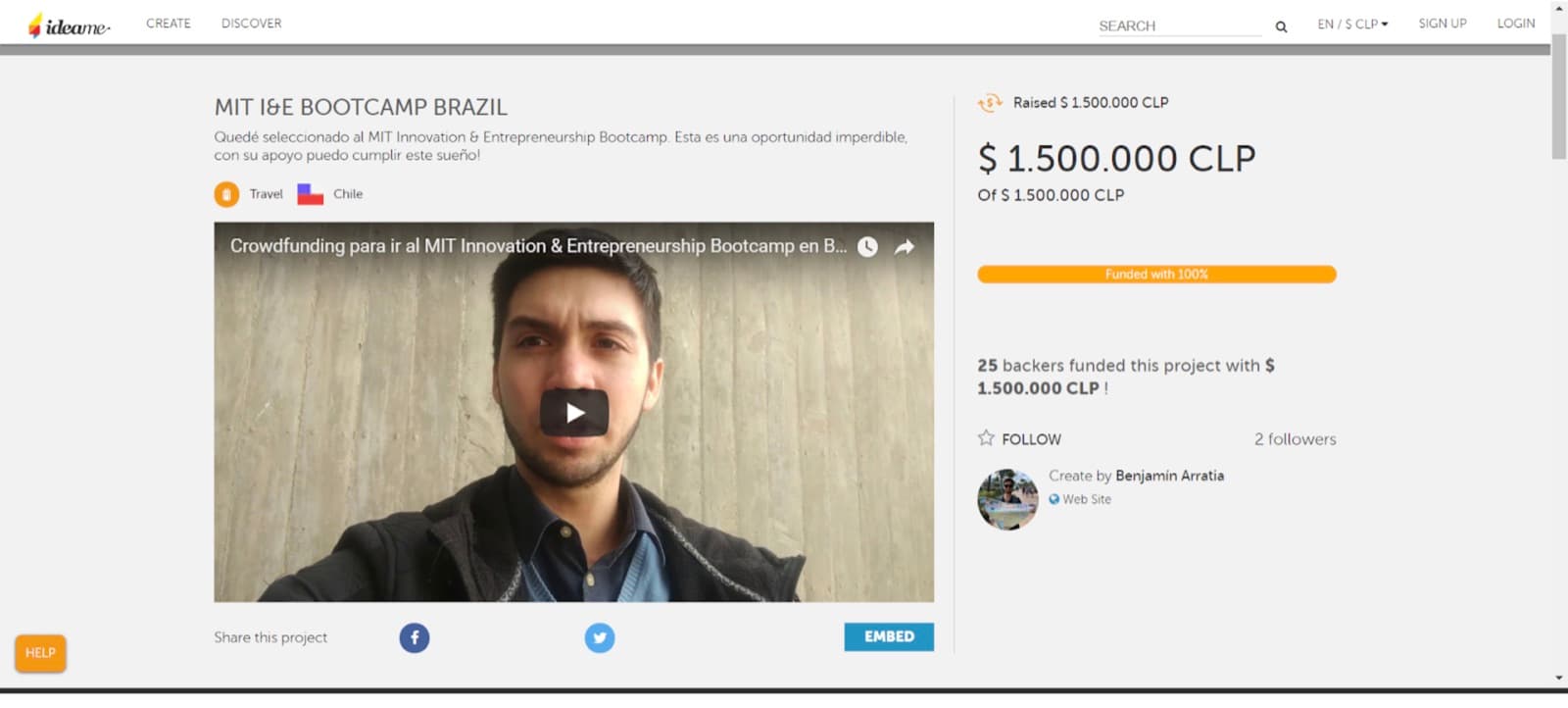
The first $2,000 I went after directly. I launched a crowdfunding page on idea.me and turned my social media into a daily campaign. It took almost three weeks of the four I had.
For the next $2,000 I went to my own school. I'd been coordinating PUC's innovation course as a TA, and the program could use someone with deeper involvement. I proposed a deal: they fund a third of the bootcamp, I come back and take on more responsibility for the course. The Engineering School said yes.
The last $2,000 came from two organizations: Copec-UC Foundation and Arauco's innovation team, in exchange for consulting work on their innovation and intrapreneurship programs after my return. By the end of the four weeks the tuition was paid, and I was going to Rio.
One week in Rio
The bootcamp was a sprint. Long days of classes and team activities, evenings full of new people from all over the world. The classes I remember most were Bill Aulet's. He's the Managing Director of MIT's Martin Trust Center for Entrepreneurship and the author of Disciplined Entrepreneurship. Watching him teach reframed how I thought about innovation: less mystery, more discipline. That has stayed with me.
On day one we were assigned to international teams and given the brief: by Friday, you'll pitch a real venture to a real jury. Mine was Compy.
The product we built
Rio had an image problem. The city was spending an estimated $6,000,000 USD a year on safety advertising. That number alone says how much tourist perception was costing them, and it wasn't unfounded. The local police were flooded with cases of tourists reporting robberies, and some of our own bootcamp classmates had already been robbed in their first days in the city.
The information existed. The police kept risk maps updated through the day, station by station. Locals (Uber drivers, taxis, hotel receptionists) would informally try to brief tourists on which neighborhoods to avoid. But there was no reliable, centralized place a visitor could go to see all of this.
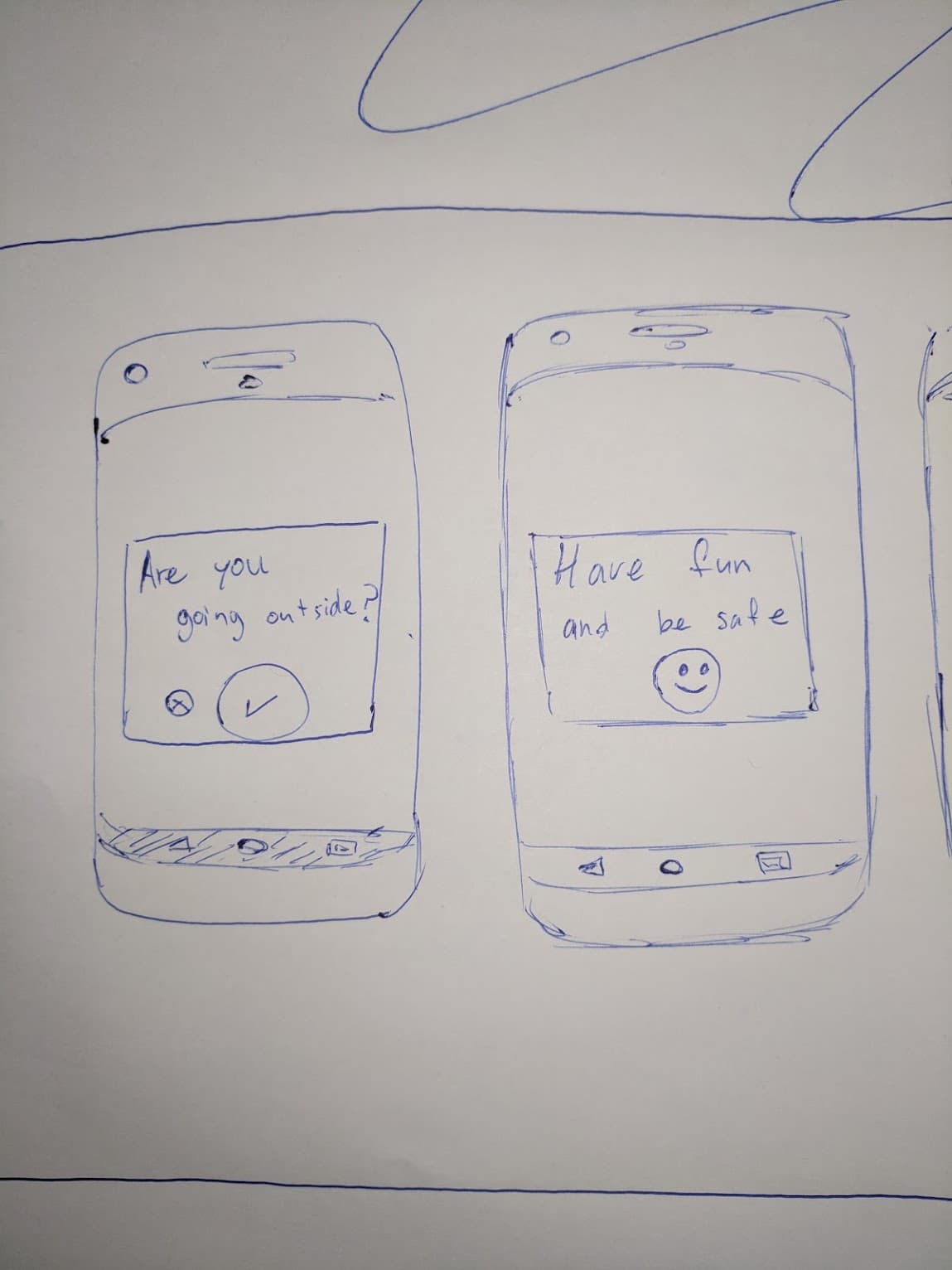
Compy was our answer. A mobile app that gave tourists what locals already knew: which zones were safe, which weren't, which numbers to call in an emergency, where to go for trustworthy activities and tours.
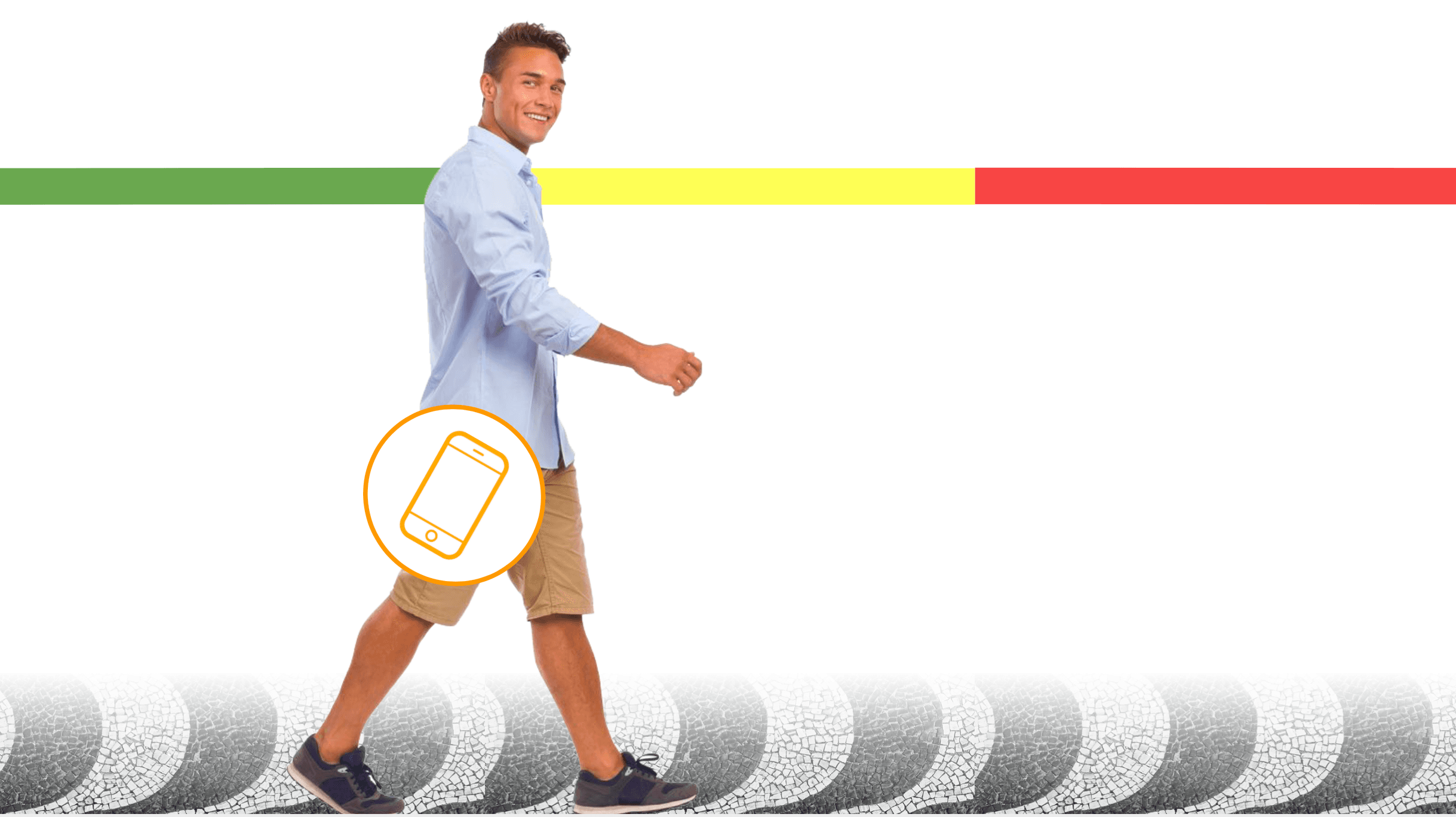
The design constraint we cared about most was offline operation. Tourists in Rio frequently don't have roaming data, and the moment a person most needs a safety app is the moment they can't load anything. So Compy was built to be downloadable in advance over hotel or airport Wi-Fi, then run purely on the phone's GPS. It would sit in the background while a user walked, and vibrate the phone when they approached a flagged area.
We borrowed the police's risk-map model, taking Waze-style community reporting as the inspiration for keeping it current, so tourists could browse the map for safe routes and verified spots.
The pitch, the certificate, and what came after
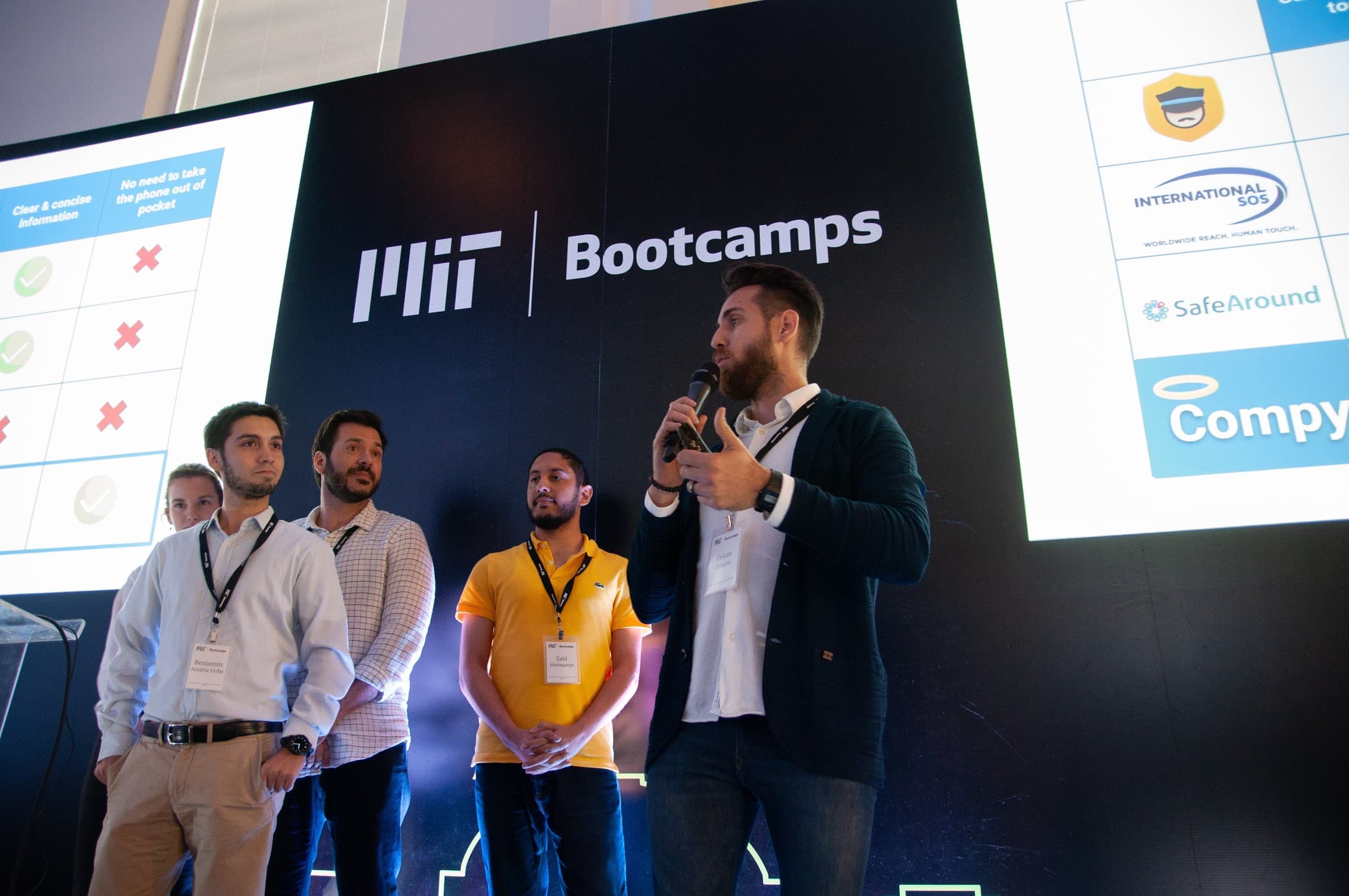
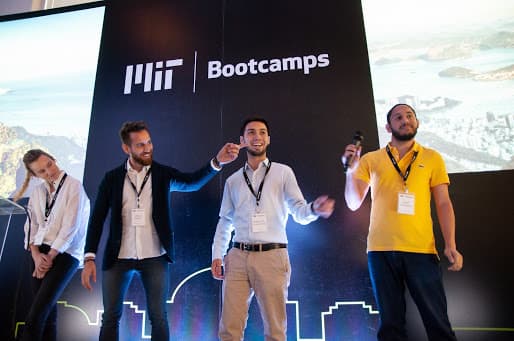
On the final day our team was selected as one of the top 5 of 24 teams. We pitched Compy to the jury, the bootcamp's invited guests, and the rest of the cohort. We didn't win, but the pitch itself was the thing. Standing in front of a room of strangers and being heard out is a strange first dose of what fundraising is going to feel like later.
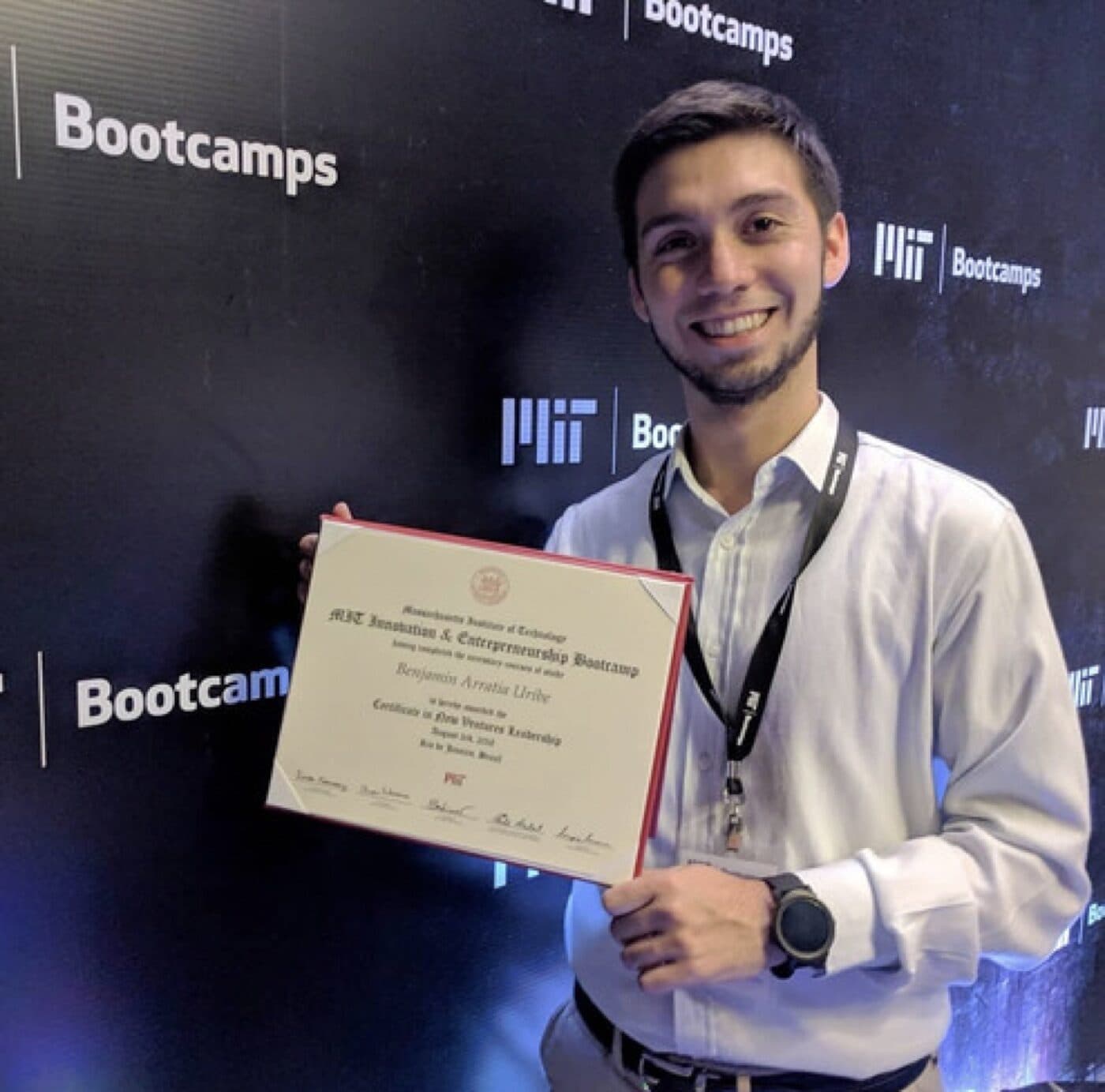
That afternoon we graduated and received the Certificate in New Ventures Leadership from MIT. It was emotional in a way I hadn't expected. Maybe because the certificate was a token, and what I was actually carrying home was every conversation I'd had with people from around the world about what they were trying to build.
Compy stayed a bootcamp prototype. But back in Chile, all the deals I'd made to get to Rio came due at once. Copec-UC, Arauco, the Engineering School. The bootcamp had been a deposit, and I was now drawing on it. The work I did with each of them in the months after pushed me much deeper into the Chilean innovation ecosystem than I would have gone on my own.
The lesson I keep coming back to from the four weeks before Rio is the same one: the gap between "good idea" and "thing that exists" is mostly about willingness to do the unglamorous work (the fundraising, the calls, the listening) and the people who do that work aren't smarter or luckier, they just don't stop.