Chaski
A portable device for real-time, two-way translation between sign language and spoken audio. I started as their mentor and ended up as their CTO.
From mentor to co-founder
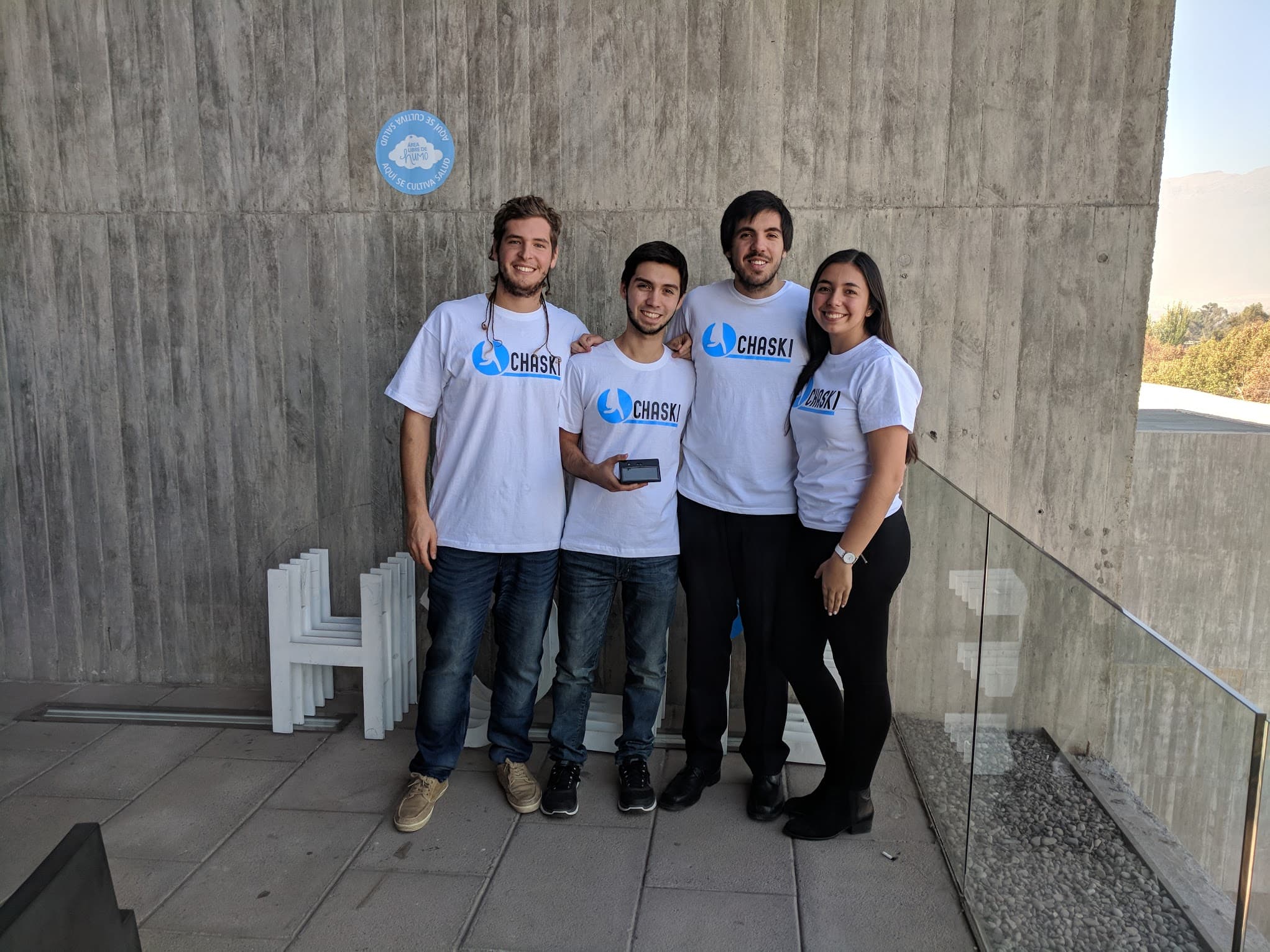
I first met the Chaski team while I was a TA in the Research, Innovation and Entrepreneurship course at PUC Chile. They were a strong group with a clear mission: bridge the communication gap between deaf and hearing people in everyday settings. I started as one of their mentors during the course, and we kept working together after it ended.
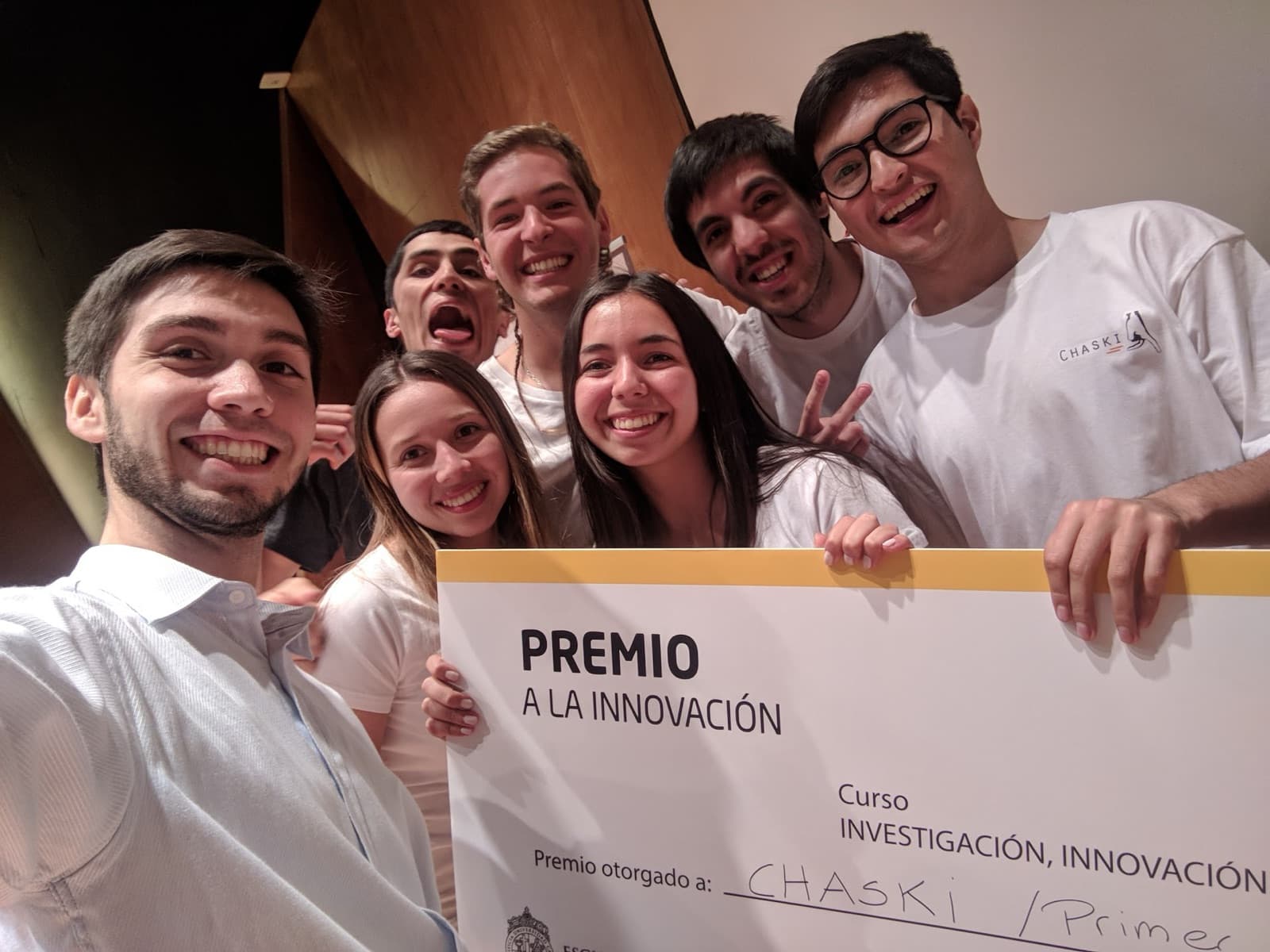
About a year and a half after I'd won the Engie Innovation Prize with ParkHere, the Chaski team won it too, with me on the mentor side this time. That was the closing of a loop I hadn't planned on. Soon after, the founders offered me the CTO seat and a co-founder slot in the legal incorporation.
What we were building
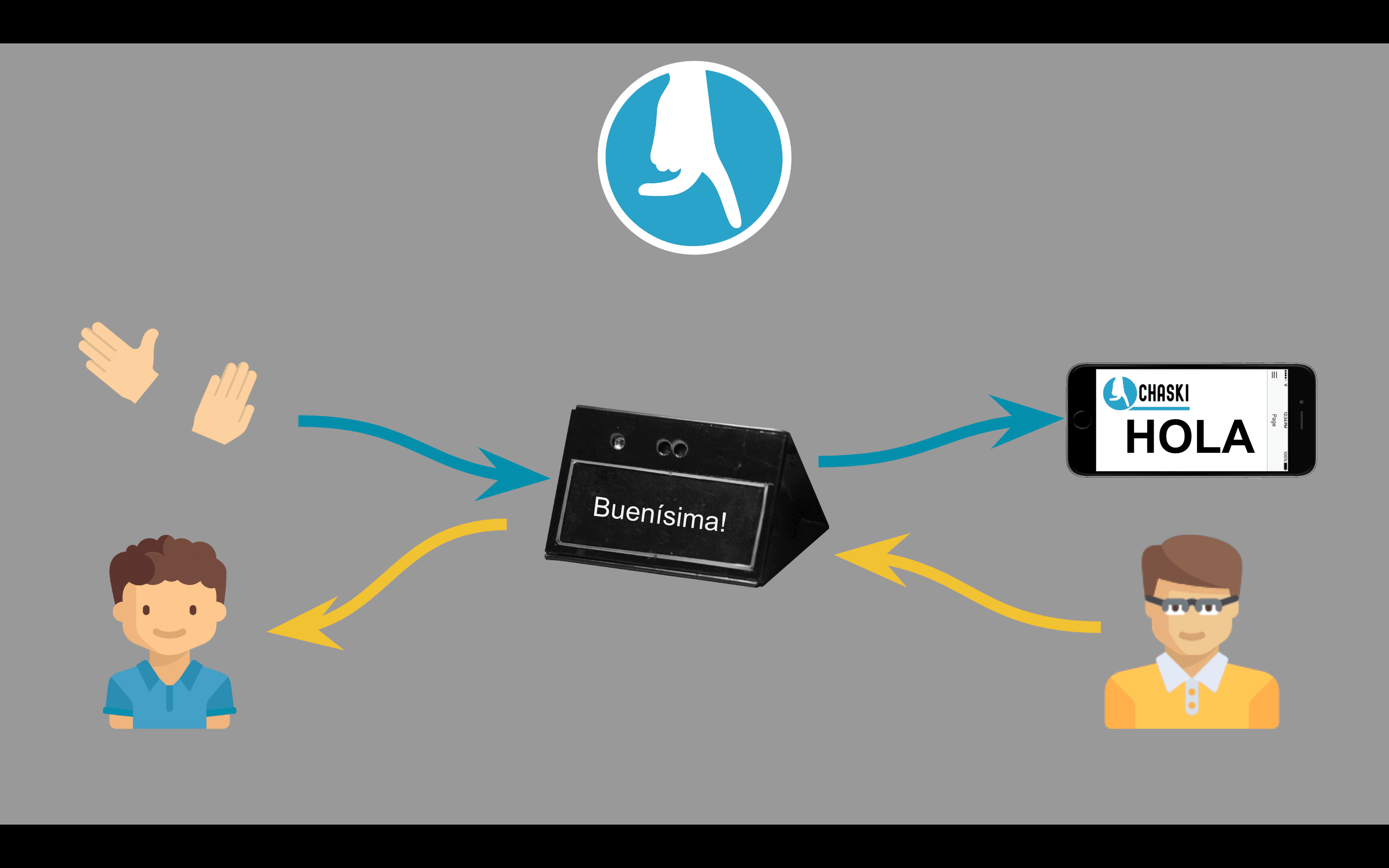
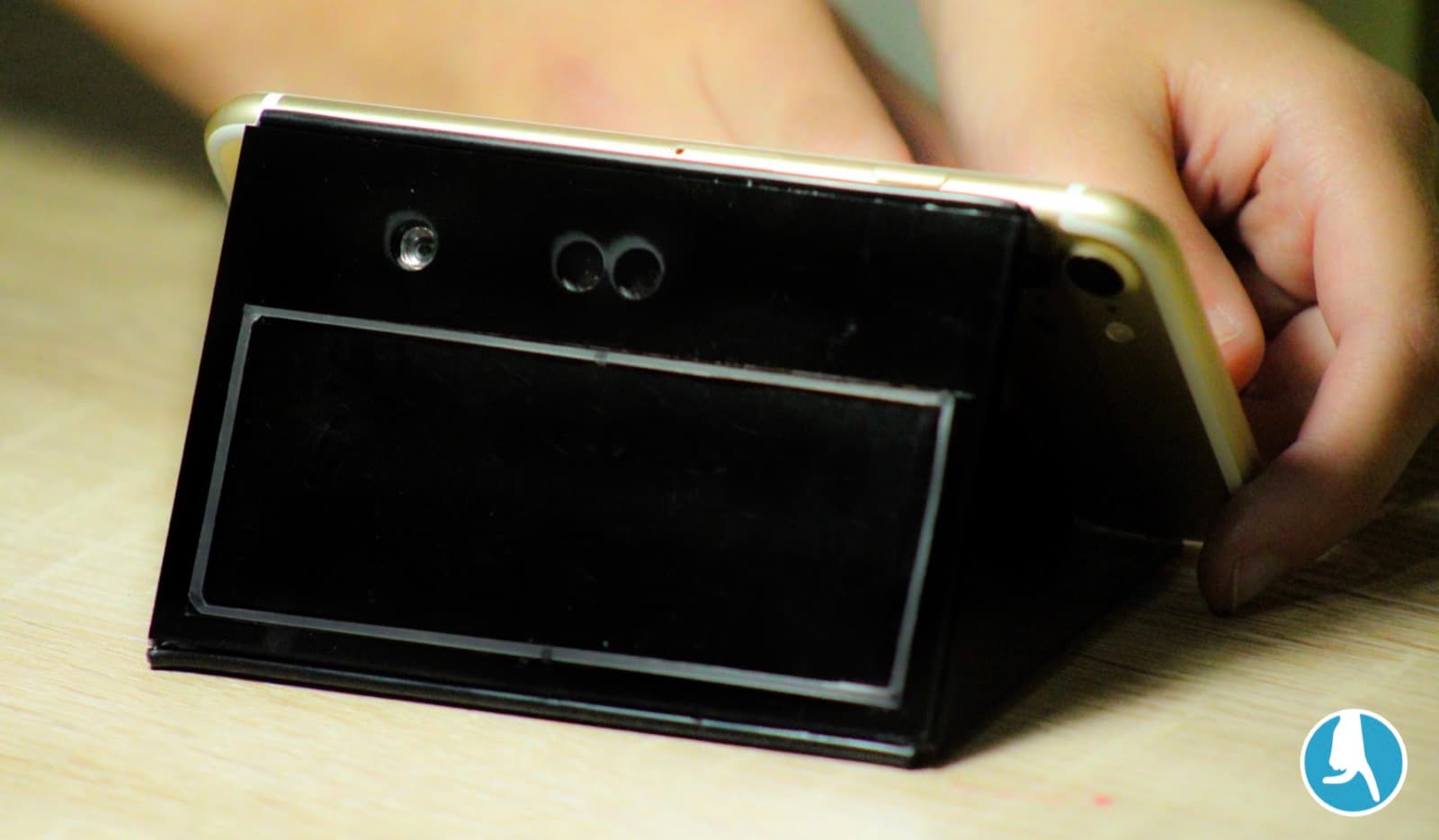
Chaski was a portable device aimed at integrating deaf people into the hearing world and the other way around. It read sign language through computer vision and rendered it as real-time subtitles for the hearing person, while simultaneously transcribing spoken audio into text for the deaf person. Two-way translation, in a portable package.
The prototype was built around a Raspberry Pi, with computer vision and machine learning handling the sign-language side and speech-to-text handling the audio side.
The job, not the product
My role was less about specific code and more about putting a system in place. I led a team of four developers, ran the Agile cycles, and made sure the vision pipeline, the speech path, and the hardware integration actually worked as one product instead of three separate experiments. Coming out of ParkHere, I'd already learned that the technical breakthroughs are usually less interesting than the integration, and Chaski was where I got to put that into practice as a leader rather than as one of the engineers.
The project taught me a lot about what a CTO actually does in a small startup, which is mostly tradeoff conversations and unblocking people. Less of the inventing I had imagined, more of the orchestrating. That was useful to learn early.